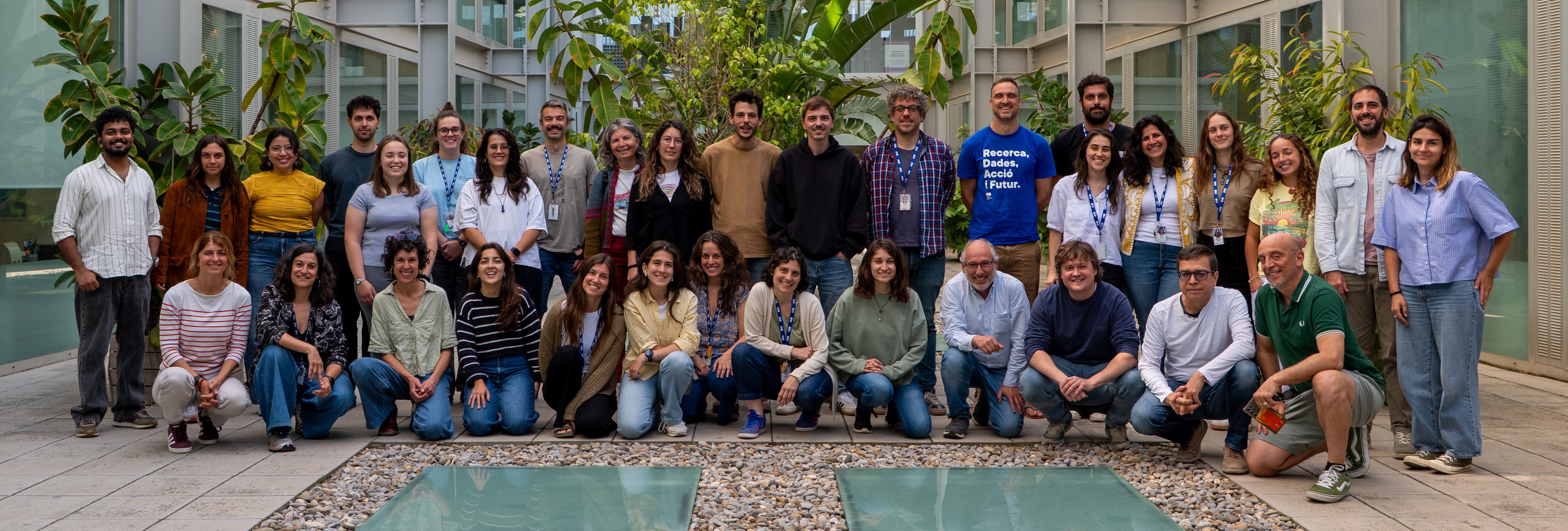
EMERGE is a research group at the Institut de Ciències del Mar (CSIC) focused on the study of exploited marine ecosystems from a perspective that combines ecological observation, technological innovation and support for decision-making. With a particular emphasis on the Mediterranean and deep-sea environments, the group develops science aimed at ecological restoration and marine governance, contributing to addressing challenges associated with global change and the sustainable use of marine resources.
Its work is based on an integrated approach that links marine observation with its application to management, combining long-term ecological and fisheries data with advanced observation technologies and interoperable digital workflows to develop ecological models, generate relevant indicators and assess restoration actions. This approach supports ecosystem-based management and decision-making in a context of increasing environmental change.
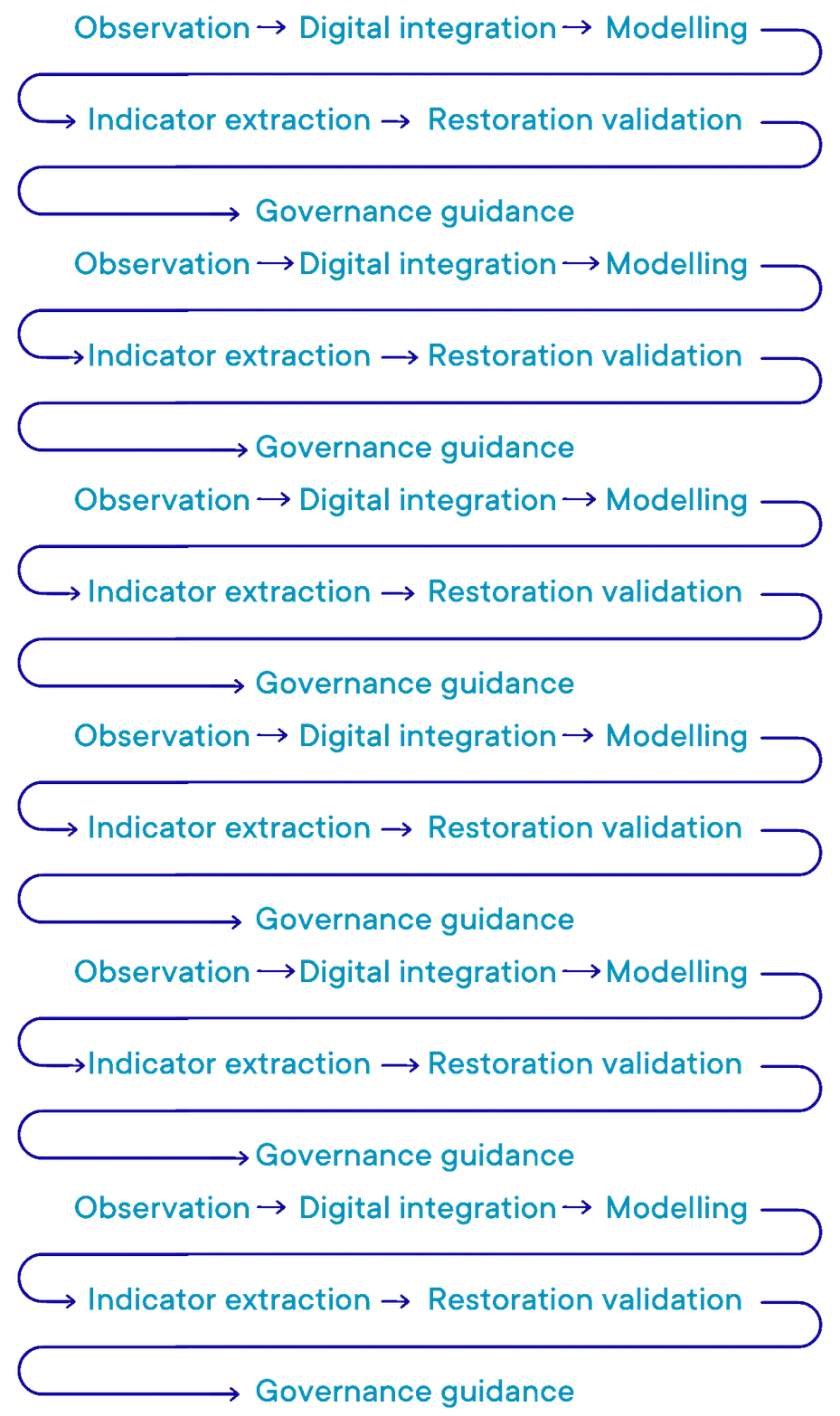
Within this framework, the group’s activities span from observation to decision support (see figure).
EMERGE’s activities are primarily carried out through European and national competitive projects, such as DIGI4ECO, REDRESS, LIFE ECOREST, SMART-ME, Mar de Gorgonias, TECTUGA and AbyScapes, as well as through long-term fisheries monitoring and advisory programmes within the framework of ICATMAR. These initiatives drive the development of observation infrastructures, restoration methodologies and analytical tools for sustainable and climate-resilient marine management.
Organisational structure
EMERGE’s scientific activity is organised into five complementary and interconnected research sublines, each coordinated by senior members of the group (see Table). The group comprises a number of members that fluctuates around fifty, distributed across these sublines according to their primary scientific focus and supervisory responsibilities. Members work closely across sublines within a shared and integrated research framework.
Research Subline | Coordination |
1. Governance and Ecosystem-Based Management | Joan B. Company |
2. Marine Technologies and Intelligent Observation | Jacopo Aguzzi |
3. Ecological Restoration and Resilience | Jordi Grinyó |
4. Behavioural, Morphological and Functional Ecology | Nathan J. Robinson |
5. Deep-Sea Ecology and Biogeography | Erik Simon |
Overall, the structure of the sublines highlights the strong consolidation of the Governance and Marine Technologies sublines, which together form the operational core of the group’s interaction with fisheries advisory systems, digital infrastructures and ecosystem-based management frameworks. The Ecological Restoration subline represents a well-established axis of applied research, with strong involvement in restoration initiatives at both national and European levels, as well as in industry-linked projects.
The Behavioural, Morphological and Functional Ecology subline, together with the Deep-Sea Ecology and Biogeography subline, act as specialised cores, providing both mechanistic and large-scale ecological knowledge that feeds into ecosystem modelling, conservation planning and climate resilience assessments.
Regarding group composition, EMERGE maintains a balanced gender distribution and promotes a working environment based on equal opportunities, transparency and merit. The group brings together senior researchers, postdoctoral fellows, early-career researchers and technical staff, fostering both scientific consolidation and generational renewal.